Best Jewelry Inventory Software: A 2026 Buyer's Guide
What to actually look for in jewelry inventory software, and the features that matter when every piece is one of a kind.
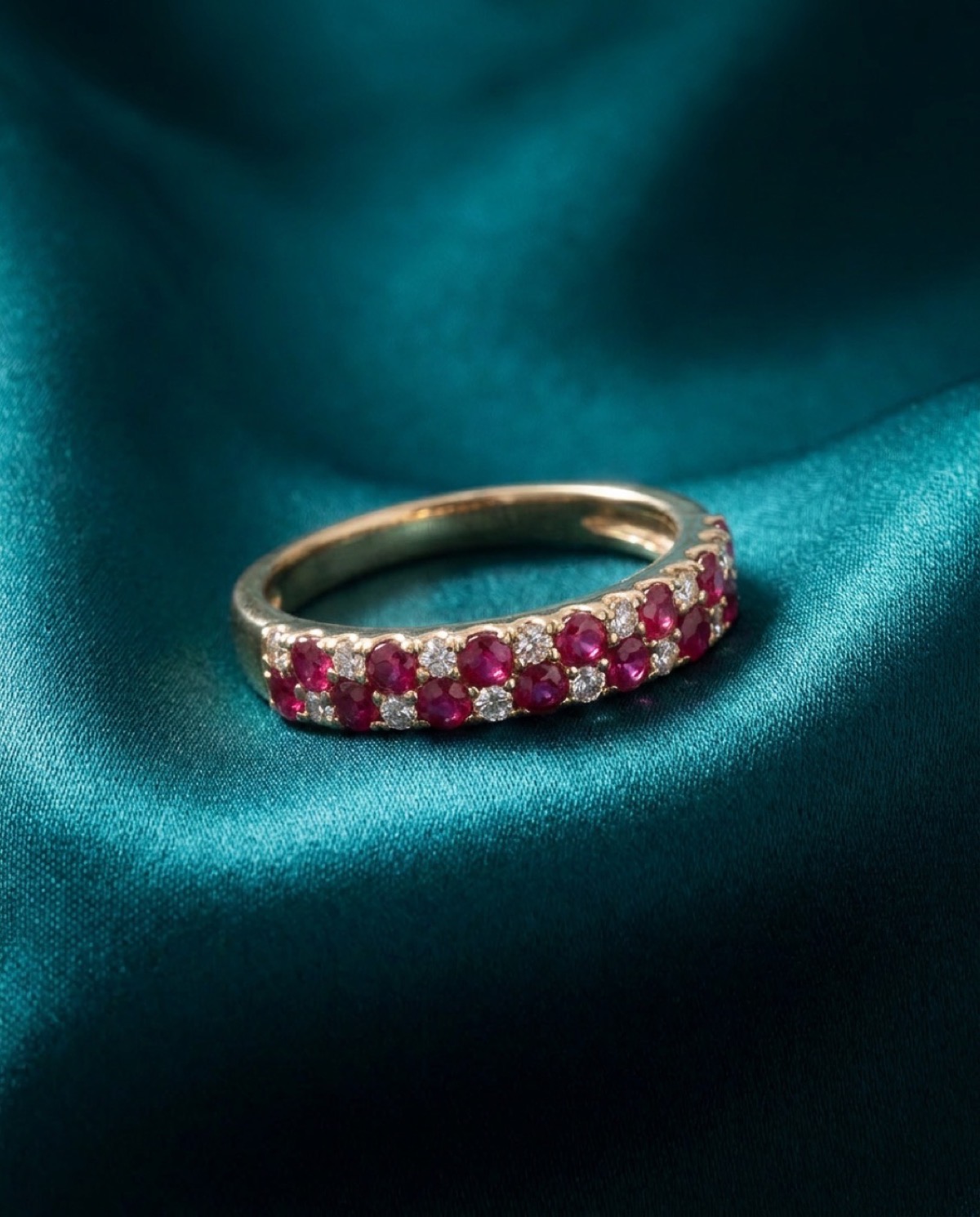
Inventory software built for general retail assumes you carry depth. Lots of the same item, predictable reorders, barcodes that scan into neat rows. Jewelry breaks all of those assumptions. Most of your inventory is single quantity, much of it is high value, and a good share of it never gets photographed or listed online at all. The software that works for a shoe store will fight you every step of the way.
This guide covers what to look for when the inventory is fine jewelry, and why a few features that sound minor turn out to be the ones that decide whether your catalog ever makes it online.
Start with the problem you are solving
Before comparing tools, be honest about which problem hurts most. Most jewelers are dealing with one or more of these:
- The website shows a fraction of what is actually in the store.
- Counts at the register and counts online do not agree, so you oversell or hide available pieces.
- Raw SKUs are cryptic, so building real product listings is slow manual work.
- New arrivals pile up unphotographed because shooting them is a project.
- Categories are a mess, so customers cannot filter to what they want.
The right software is the one that fixes your version of this list, not the one with the longest feature page.
Must-have: SKU expansion into real titles
Your point of sale stores something like 14KW 1.50CTW RD DIA HALO RG. That is fine for the back office and useless for a shopper. Strong jewelry software turns that raw string into a clean, readable title like a 14K white gold one and a half carat round diamond halo ring, expanding the abbreviations a customer would never decode on their own.
This matters for two reasons. It saves hours of retyping, and it is how customers and search engines actually find pieces. A listing titled with the real words people search for will out-pull a cryptic SKU every time.
Must-have: image handling that does not stall you
Photography is the single biggest reason jewelry never makes it online. Every piece needs a clean image, and a full lightbox shoot for a one-of-a-kind item rarely pencils out on a busy floor.
Look for software that can take a simple counter snapshot and produce studio quality imagery, with one firm rule. It must never alter the actual product. The stone, the metal color, and the setting have to stay exactly as they are. A white gold ring shown as yellow, or a halo that gains stones it does not have, is not a better photo. It is a misrepresented product and a return waiting to happen.
The best photo tool is the one that makes the piece look like itself on its best day, and changes nothing about the piece itself.
Must-have: point of sale to web sync
If your inventory lives in two places, they need to stay in agreement automatically. When a ring sells at the counter, the website should reflect it within minutes, not at the end of the day. When a new piece is added, it should be able to flow online without a manual rebuild.
Check which systems the software actually connects to. Aurix, for example, integrates with Lightspeed and Shopify. Also confirm the direction of truth. Your register should drive the counts, and the website should mirror them, so there is one number everyone trusts.
Must-have: smart categorization
A catalog customers cannot filter is a catalog customers leave. Pieces need to land in the right buckets, by type, by metal, by stone, by whether they are bridal, without someone tagging each item by hand. Good software reads the product and sorts it for you, then lets you correct the edge cases. The payoff is a website where a shopper can go from the homepage to the exact style they want in a couple of clicks.
Things that sound important but often are not
A few features get a lot of attention and deliver little for most independent jewelers.
- Heavy demand forecasting. When most pieces are single quantity, predicting reorders is close to meaningless.
- Sprawling B2B and wholesale modules you will never switch on.
- Long onboarding that requires a consultant before you see any value.
- Per piece fees that punish you for having a large catalog, which is the whole point of getting it online.
How to evaluate before you commit
Do not judge software by a demo with cherry-picked products. Test it with your own worst cases.
- Feed it your messiest real SKUs and see if the titles come out clean.
- Hand it a plain phone photo of a real piece and judge whether the result is honest and usable.
- Sell something at the register and time how long it takes to come down online.
- Ask what happens to items it cannot confidently match or categorize. The honest answer is it flags them, not that it guesses.
Where Aurix fits
Aurix is inventory software built only for jewelers, which means it assumes single quantity, high value, and pieces that need real listings fast. It expands raw SKUs into clean titles and descriptions, turns a counter snapshot into 4K studio imagery without ever changing the stone, metal, or setting, sorts pieces into the right categories, and keeps your counts in sync between your point of sale and your website. It integrates with Lightspeed and Shopify, and a point of sale is optional, not required.
You can try it free with 10 AI images and no credit card, and plans start at 99 dollars a month. If the goal is to get more of your real inventory online without hiring it out, that is the problem it was built to solve.