The GemLightbox Alternative: Studio Jewelry Photos Without the Hardware
Lightboxes solved consistency. They never solved on-model shots, editing time, or the per-piece labor. Here is what an AI alternative looks like, and who should still buy the box.
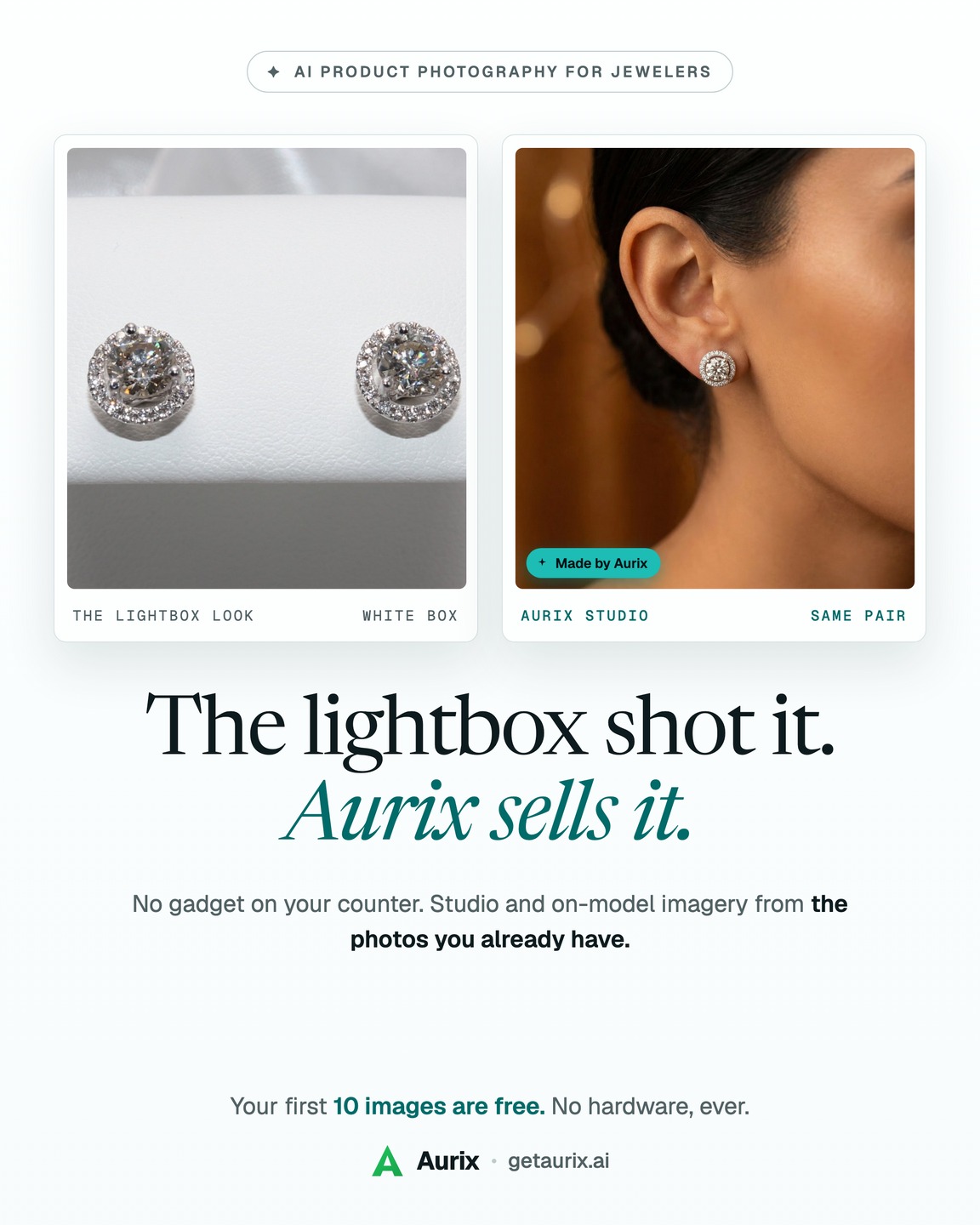
If you run a jewelry store, someone has probably pitched you a lightbox. GemLightbox is the best known: a small photo booth for jewelry that gives you clean, consistent product shots on a white or black background. To be fair, it does that job well. Lightboxes solved the consistency problem that plagued counter photos for years. But if you are searching for an alternative, it is probably because you have noticed what the box does not solve.
What a lightbox cannot do
- On-model photos. A box photographs a piece on a turntable. It cannot show a ring on a hand, a pendant at a collarbone, or an earring beside a jawline, and those are the images shoppers stop for.
- Lifestyle settings. Editorial scenes, seasonal campaigns, and social content still require a real shoot or a designer.
- The labor. Every piece still has to be staged, shot, reviewed, and uploaded by a person. Four hundred SKUs is four hundred sessions.
- Listings. The photo is only part of the job. Titles, descriptions, and categories still have to be written for every piece.
The alternative: software instead of hardware
Aurix takes the opposite approach. Instead of building a better booth, it starts from the photos you already have. One phone photo of a piece in your case comes back as a finished studio shot, an on-model image, or a full lifestyle scene. The piece itself is never altered: every prong, every stone, and the exact metal color stay as they are, because the software only changes the world around the jewelry.
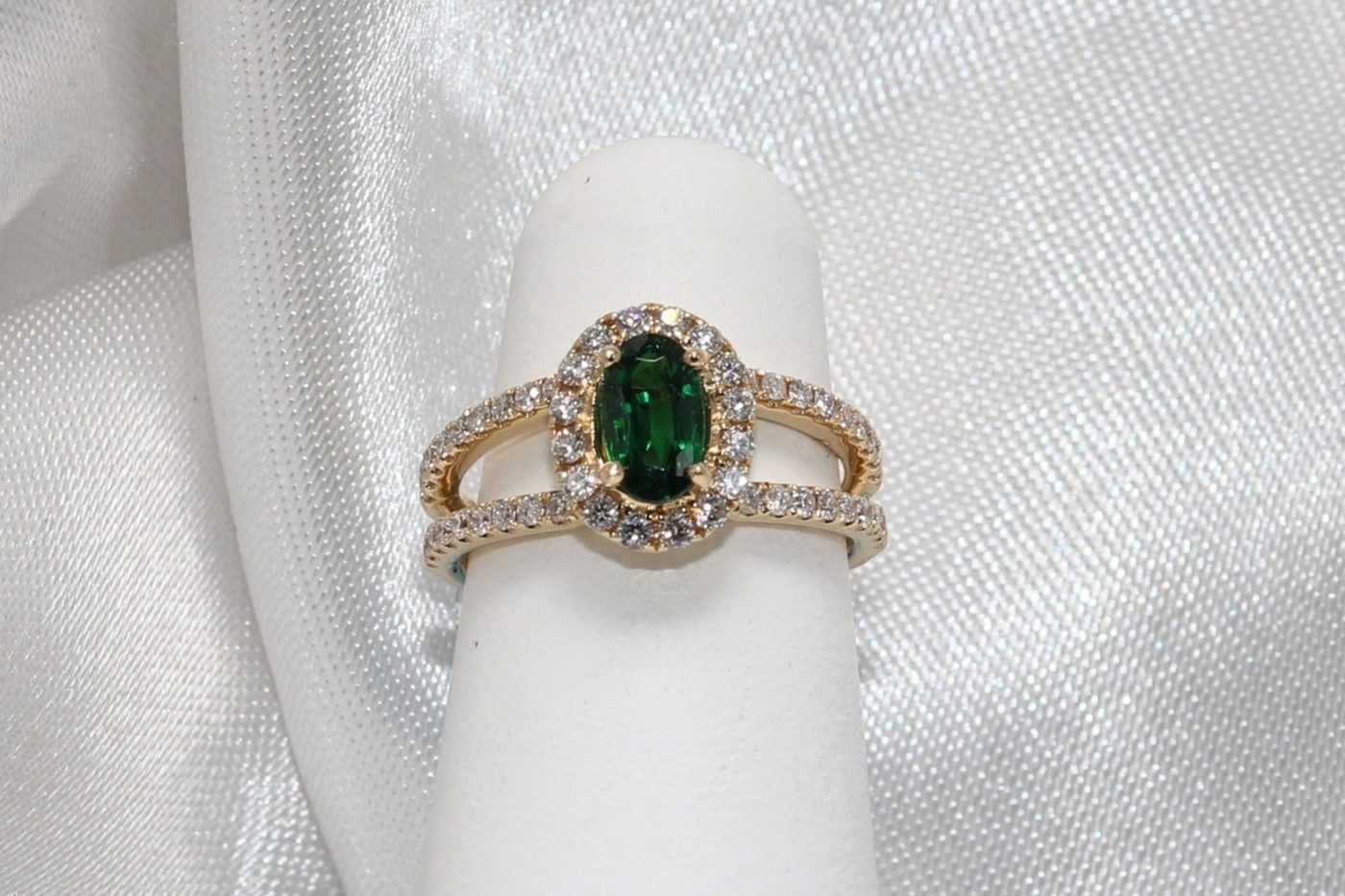
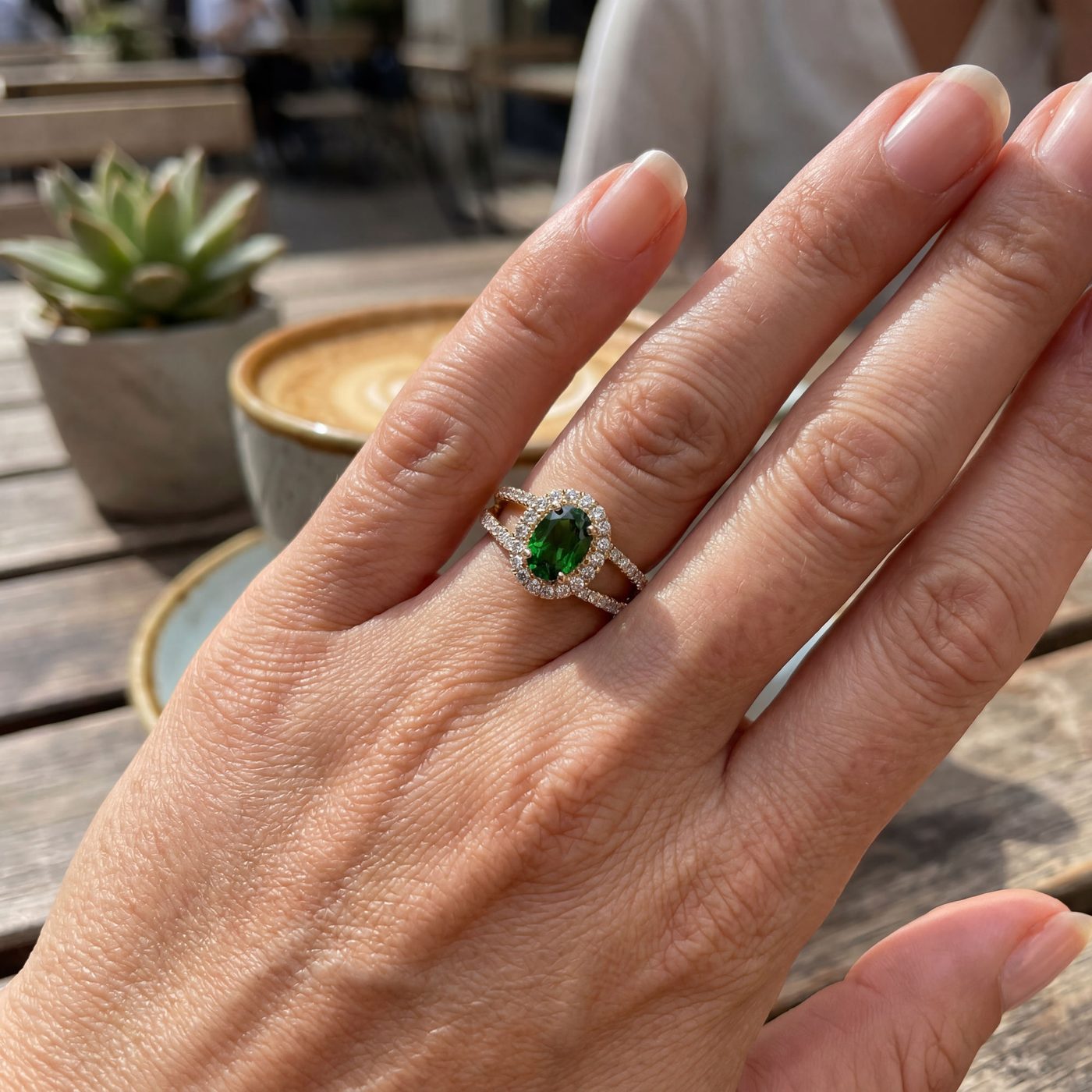
The cost math, side by side
- A lightbox is a hardware purchase up front, plus your time on every single piece, forever.
- Outsourced photography runs $50 to $200 per piece, and on-model shoots cost far more.
- Aurix plans start at $99 a month for the whole catalog, and the work per piece is one upload.
- The first 10 images are free, with no card and no contract, so you can judge the output on your own inventory before paying anything.
Who should still buy a lightbox
An honest comparison cuts both ways. If your only need is a spinning 360 video for certification listings, or you photograph loose stones all day, a lightbox is still a fine tool. Some appraisal and wholesale workflows genuinely want that raw, standardized capture. But if the goal is a website and social feed that sell finished jewelry to real customers, the box was never going to get you there, because the formats that convert are exactly the ones it cannot produce.
Beyond the photo: the rest of the listing
Aurix also writes the listing. It reads the SKU from your point of sale, expands it into a title people actually search for, writes the description in your store voice, assigns the category, and syncs everything back to Lightspeed or Shopify. That is the part no piece of hardware will ever do for you.
If you are weighing a lightbox purchase, try the free images first. Upload ten photos of your own pieces at getaurix.ai and compare the output to what a box would give you. The difference is not subtle.