Get Your Full Jewelry Catalog Online Fast in 2026
Most jewelers list a small slice of their inventory online. Here is a step-by-step way to get the whole catalog up.
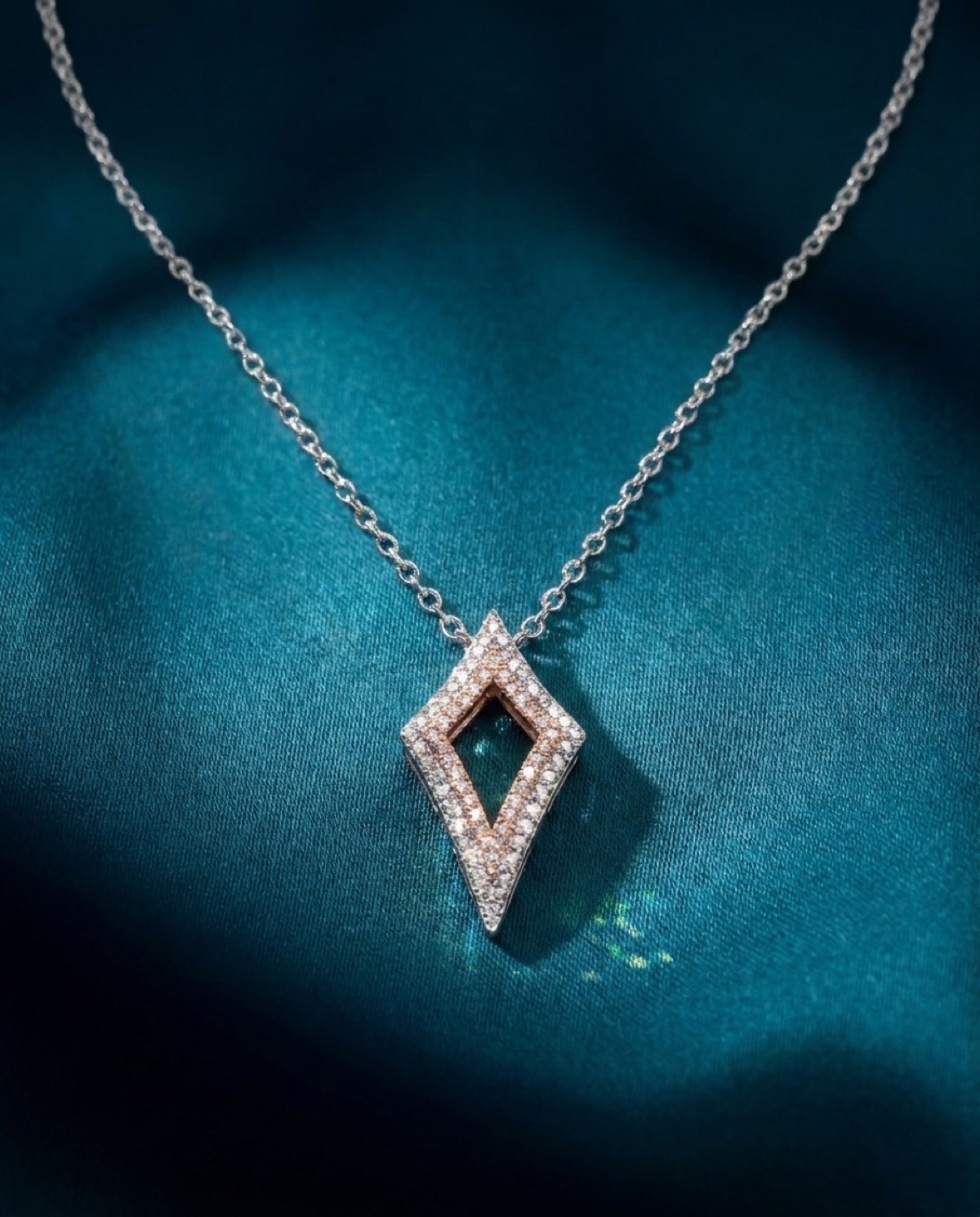
Walk into most independent jewelry stores and you will find cases full of beautiful pieces. Visit the same store's website and you will find a thin slice of that inventory, often a small fraction of what is actually for sale. As a general industry observation, it is common for a jeweler to have well under a fifth of their real catalog online at any given time. The rest sits in the case, invisible to anyone who is not standing in the store.
That gap is lost revenue. A customer searching online for a specific style never finds the piece you already own. This guide explains why the gap exists and gives you a step-by-step way to close it without turning it into a six month project.
Why so little inventory makes it online
The catalog gap is not laziness. It is the natural result of how much work each listing takes when done by hand. For every single piece, someone has to:
- Photograph it well enough to sell, which for jewelry means good lighting and a clean background.
- Turn a cryptic SKU into a title a customer would actually search for.
- Write a description that reads like a store wrote it, not a database.
- Assign it to the right categories so it is findable.
- Keep its count accurate so it does not sell in two places at once.
Multiply that by hundreds or thousands of one-of-a-kind pieces and you see the problem. The work scales with the catalog, and the catalog is the whole point. So jewelers list the bestsellers, run out of time, and leave the rest in the dark.
The mindset shift: photos are the bottleneck
If you only fix one thing, fix photography. It is almost always the step that stalls everything else. A full lightbox session for a single ring that may sell tomorrow rarely feels worth it, so it never happens, and a piece without an image cannot go online no matter how good your titles are.
The unlock is being able to produce a clean, sellable image from a simple counter snapshot, with one non-negotiable rule. The image must show the real piece. The stone, the metal color, and the setting cannot change. An honest, flattering photo of the actual ring builds trust. A doctored one builds returns and complaints.
Every piece in your case is a piece you already paid for. Getting it online is the cheapest inventory you will ever add.
Step by step: get the full catalog up
Here is a realistic sequence that gets you from a thin website to a full one.
- Pull your full item list from wherever it lives, your register or a spreadsheet, so you know the true size of the catalog.
- Capture a quick, consistent snapshot of each piece. Same angle, decent light. You are feeding a process, not shooting a magazine.
- Produce a clean studio image from each snapshot, keeping the piece exactly as it is.
- Expand every raw SKU into a real, readable title.
- Generate a short, accurate description for each piece in your store's voice.
- Sort everything into categories so customers can filter by type, metal, and stone.
- Publish to your website and connect your counts so nothing oversells.
Done by hand, this is the project that never finishes. Done with the right tooling, the per piece cost drops far enough that the whole catalog becomes realistic instead of aspirational.
Keep it accurate once it is up
Getting the catalog online is half the job. Keeping it honest is the other half. A piece that sells at the counter has to come down online quickly, and a new arrival should be able to go up without a full manual rebuild each time.
This is where sync earns its keep. If your website mirrors your real counts in close to real time, customers only ever see what is genuinely available, and you stop fielding the calls where you have to explain that the ring they wanted is already gone.
Common mistakes to avoid
- Waiting for perfect photos. A clean, honest image today beats a perfect one that never gets taken.
- Listing only bestsellers. The long tail of unique pieces is exactly what online search is good at surfacing.
- Altering pieces to look better. It always comes back as a return and a dent in trust.
- Letting counts drift. An inaccurate catalog teaches customers not to trust your site.
Where Aurix fits
Aurix exists to close the catalog gap for jewelers. It turns a counter snapshot into 4K studio imagery without changing the stone, metal, or setting, expands raw SKUs into clean titles, writes accurate descriptions, sorts pieces into the right categories, and keeps your inventory in sync between your point of sale and your website so nothing oversells. It integrates with Lightspeed and Shopify, and a point of sale is optional, so you can get your full catalog online whether or not you run a register.
The result is more of what you already own, working for you online instead of sitting unseen in the case. You can start free with 10 AI images and no credit card, and plans begin at 99 dollars a month. If most of your inventory is invisible to the people searching for it, this is the gap worth closing now.